8 Common Types of HVAC Systems and How They Work
Heating, Ventilation, and Air Conditioning (HVAC) systems are essential for maintaining comfort in homes and commercial buildings. These systems are designed to control the temperature, humidity, and air quality within a given space. There are many types of HVAC systems, each with unique features, applications, and benefits. In this article, we will explore eight common types of HVAC systems, grouped into ducted and ductless categories, explaining how each system works.
Types of Ducted HVAC Systems
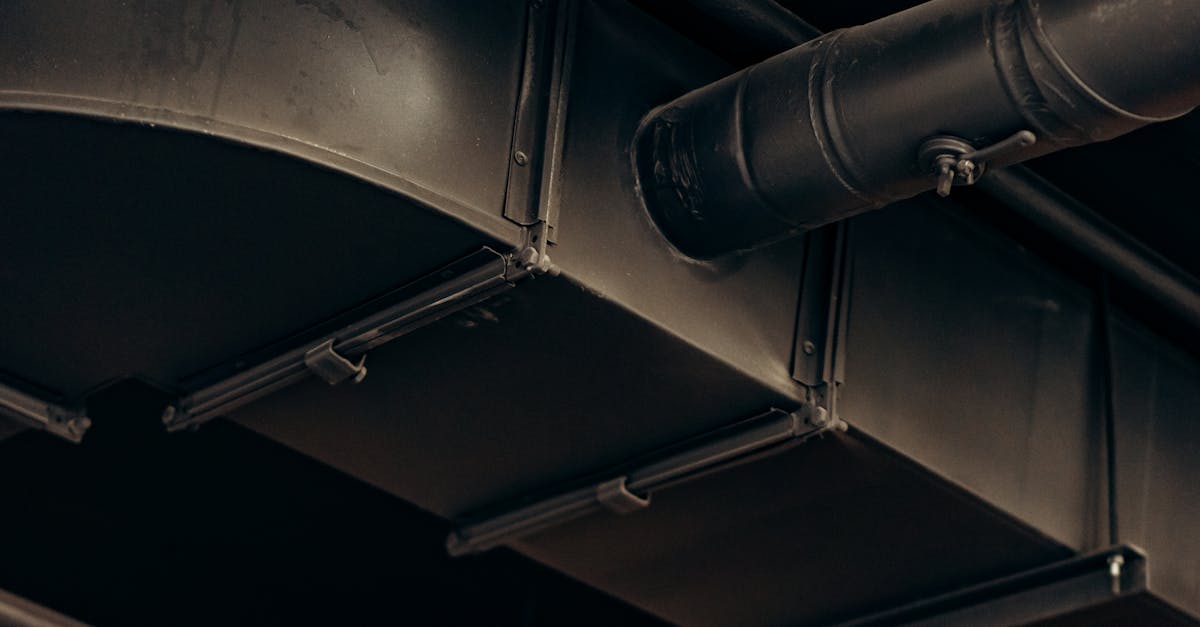
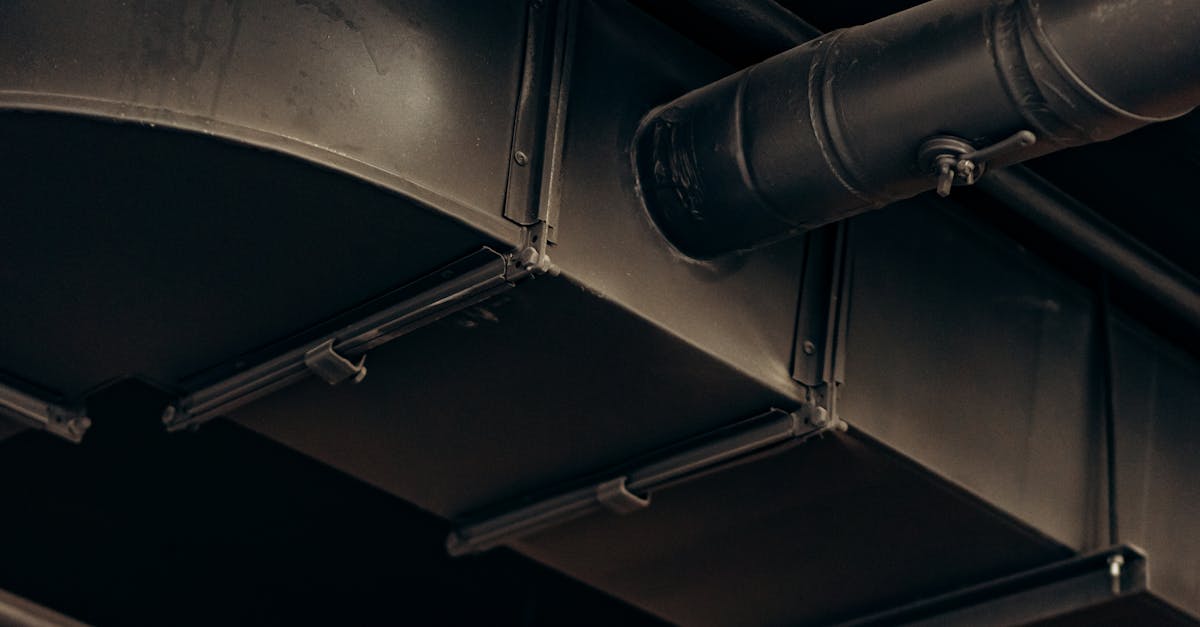
Ducted HVAC systems are those that distribute air throughout a building using a network of ducts. These systems typically involve a central unit that heats or cools the air, which is then circulated through ducts to different rooms. Below are the four main types of ducted HVAC systems:
Split System
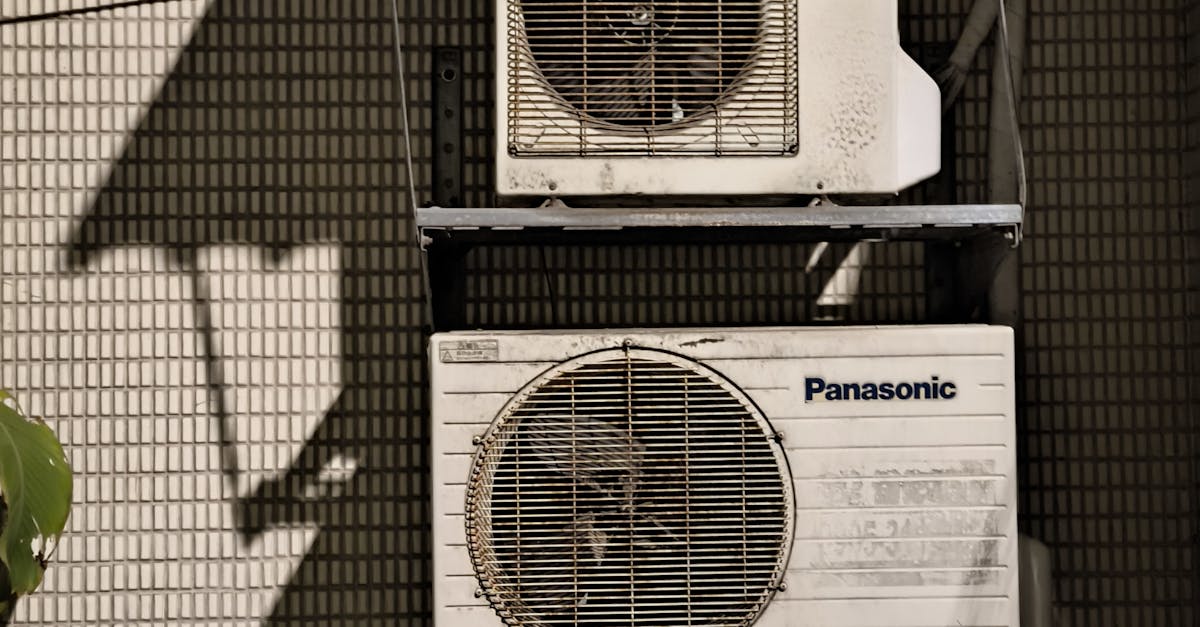
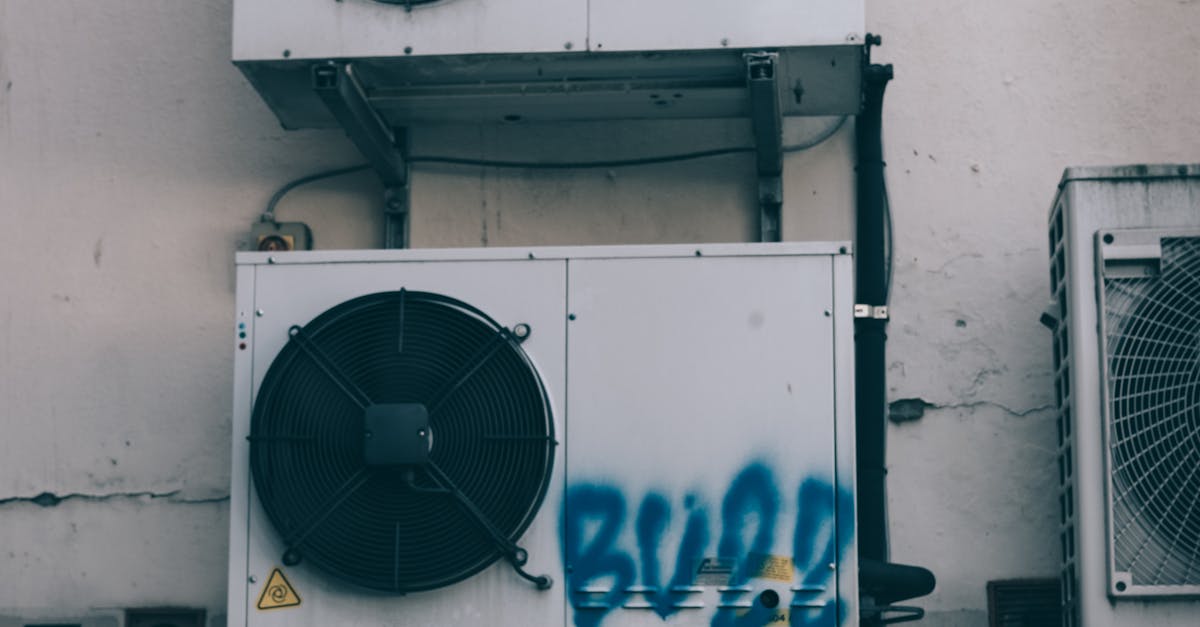
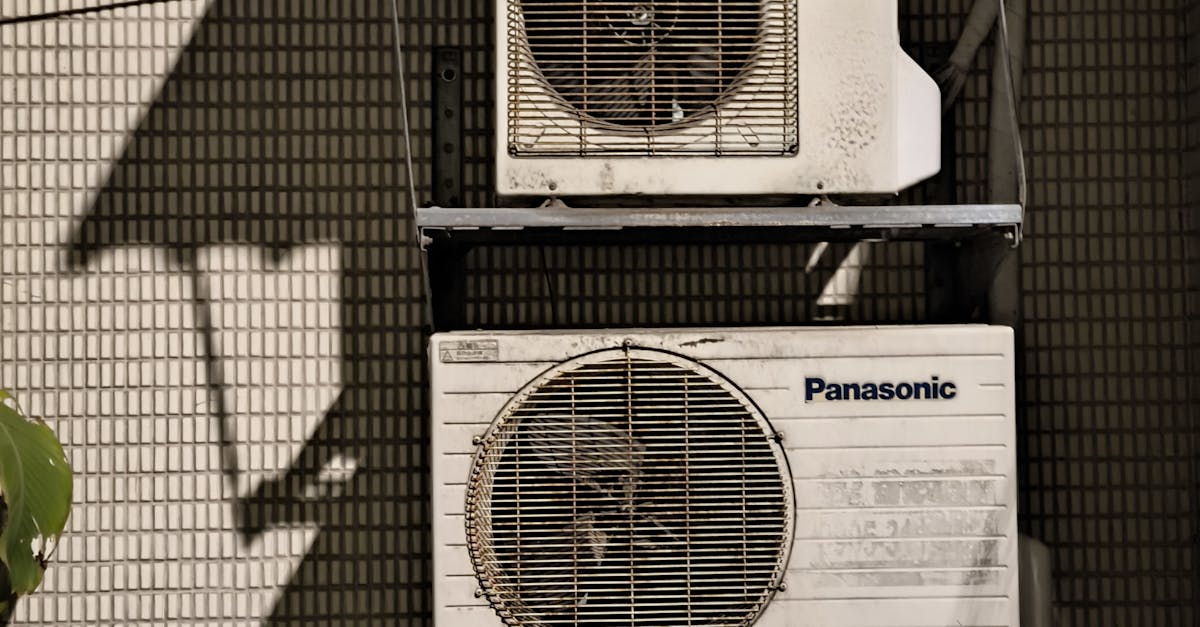
A split system is one of the most commonly used HVAC systems in residential and commercial spaces. It consists of two main components: an indoor unit and an outdoor unit. The indoor unit typically includes an evaporator coil, which cools the air, while the outdoor unit houses the compressor and condenser coil, which expel heat. The two units are connected by refrigerant lines and ductwork that circulates the cooled or heated air throughout the building.
- How It Works: The indoor unit pulls in warm air from the room, which passes over the evaporator coil. The refrigerant absorbs the heat, and the cooled air is distributed through the ducts to different rooms.
- Applications: Split systems are versatile and suitable for various applications, ranging from small homes to larger commercial buildings.
- Benefits: Energy-efficient, relatively easy to install, and provides reliable temperature control.
Hybrid Split System
A hybrid split system is similar to a traditional split system but offers additional flexibility in its energy use. This system can switch between a heat pump and a traditional furnace, depending on the weather. In warmer months, it can use the heat pump to cool the air, while in colder months, it can rely on the furnace to provide heating.
- How It Works: The hybrid system adjusts its operation based on external temperatures. In mild climates, it uses the heat pump, which transfers heat from the outside air to heat the building. In colder climates, the system switches to the furnace for more efficient heating.
- Applications: Hybrid systems are ideal for homes and buildings in regions with mild winters and hot summers.
- Benefits: Greater energy efficiency and flexibility, as it adapts to the external temperature.
Packaged Heating and Cooling System
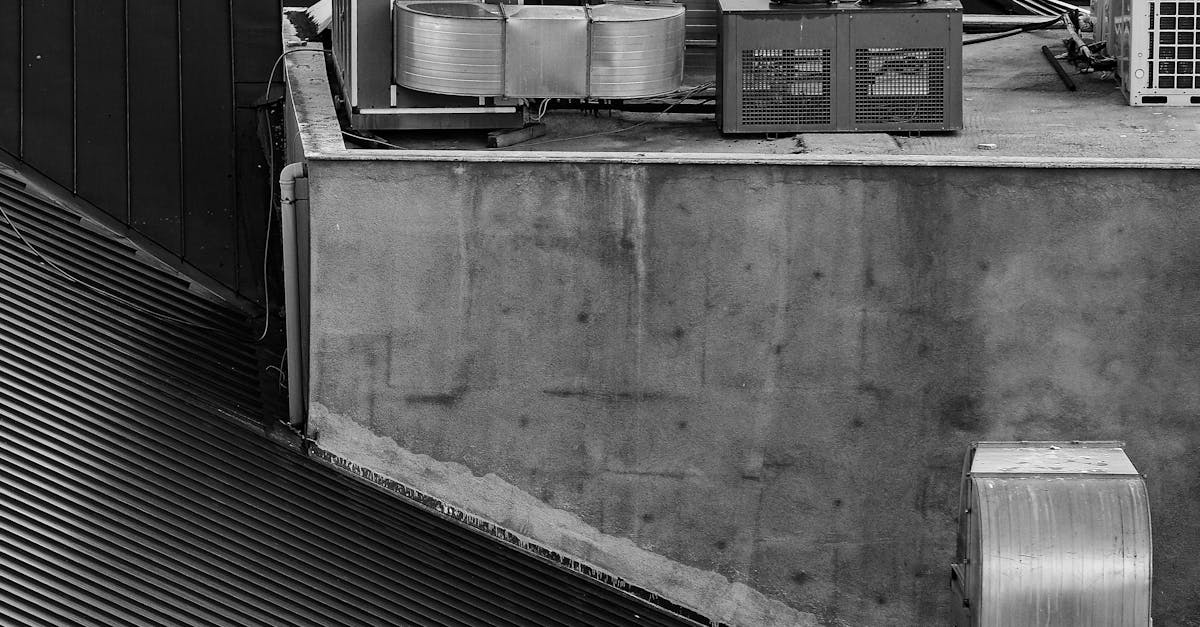
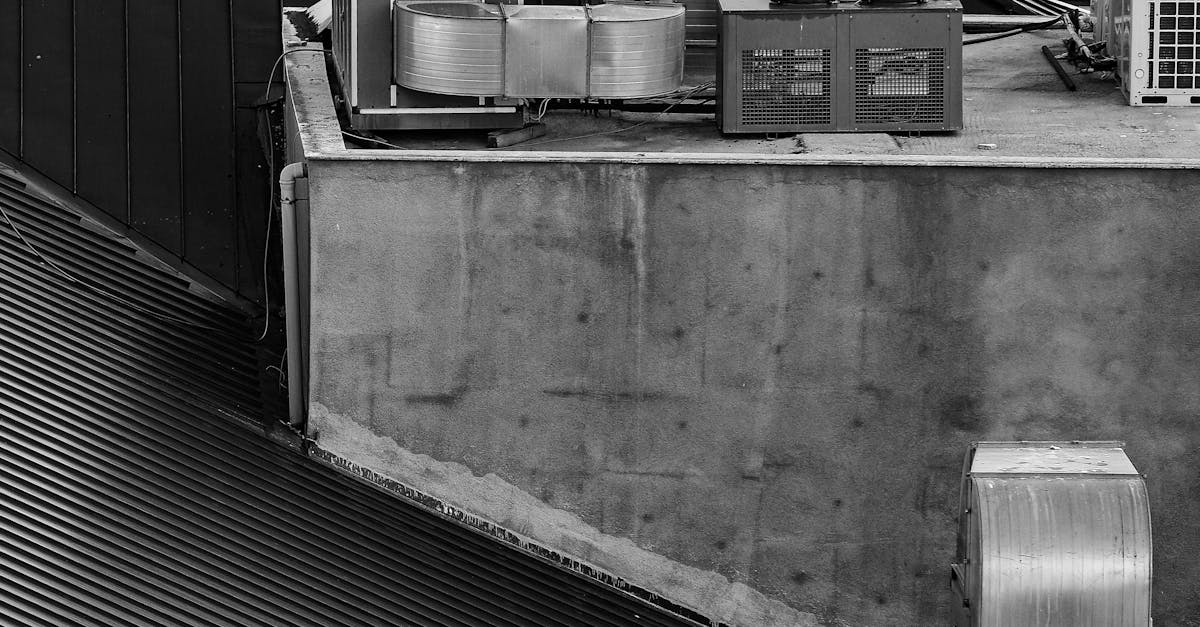
A packaged heating and cooling system houses all components (the compressor, condenser, and evaporator) in one outdoor unit, typically placed on the roof or beside the building. These systems are compact, making them ideal for buildings with limited indoor space.
- How It Works: Similar to a split system, the packaged system cools or heats the air. The difference is that all the components are located in a single unit outside the building, eliminating the need for an indoor furnace or air handler.
- Applications: Packaged systems are commonly used in commercial buildings, small offices, or homes with limited indoor space for HVAC equipment.
- Benefits: Space-saving design, easier installation, and fewer indoor components to maintain.
Zoned System
A zoned HVAC system allows for independent control of the temperature in different areas, or "zones," within a building. This is typically achieved by using motorized dampers in the ductwork, which can regulate the airflow to different rooms or floors.
- How It Works: The system uses a central control panel and thermostats placed in different zones. When the temperature in a zone differs from the set point, the damper opens or closes to adjust the airflow to that specific area.
- Applications: Zoned systems are popular in large homes, multi-story buildings, or commercial spaces that require different temperature settings for different areas.
- Benefits: Increased comfort, energy savings (since you only heat or cool the rooms in use), and improved control over temperature.
Types of Ductless HVAC Systems
Ductless HVAC systems, also known as duct-free systems, offer a more flexible solution for heating and cooling individual rooms or specific areas within a building. These systems don’t require ducts to distribute air and are typically easier to install than traditional systems. Below are the four main types of ductless HVAC systems.
Duct-Free Mini-Split
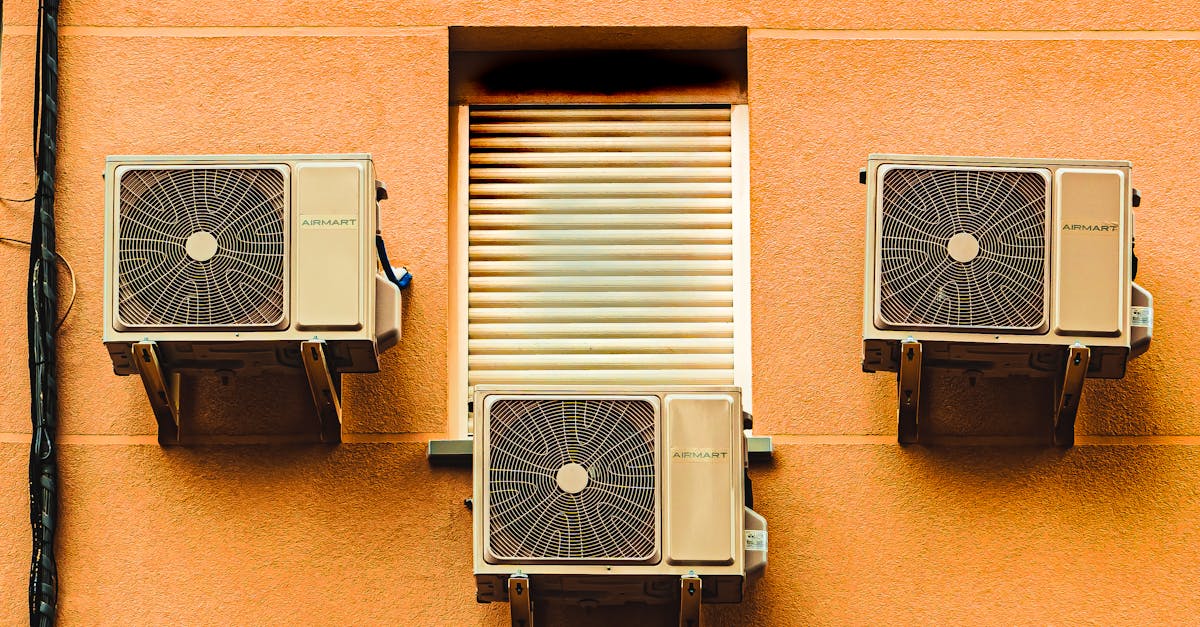
A duct-free mini-split system is similar to a split system, but it does not use ducts to distribute air. Instead, it uses one or more indoor units that are mounted on the wall or ceiling. Each unit is connected to an outdoor unit via refrigerant lines.
- How It Works: The indoor unit blows conditioned air directly into the room, while the outdoor unit handles the heat exchange process. The refrigerant circulates between the two units, cooling or heating the air as needed.
- Applications: Mini-splits are ideal for homes with no existing ductwork, room additions, or spaces that require individualized temperature control.
- Benefits: Energy-efficient, flexible installation options, and provides precise temperature control for each zone or room.
Hydronic Heating
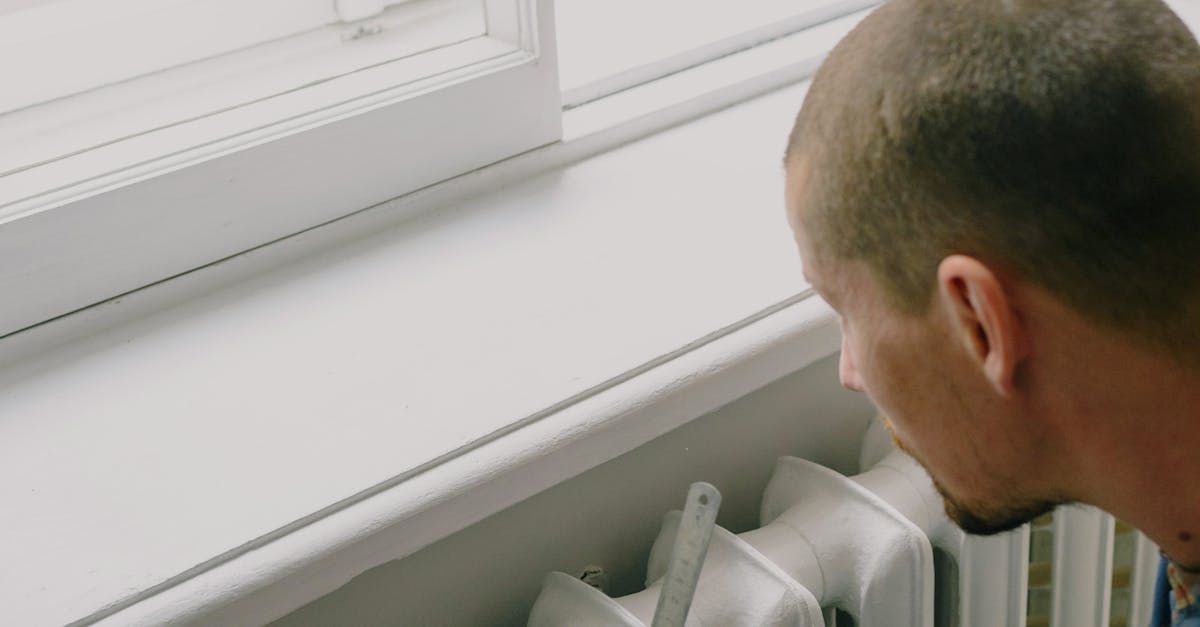
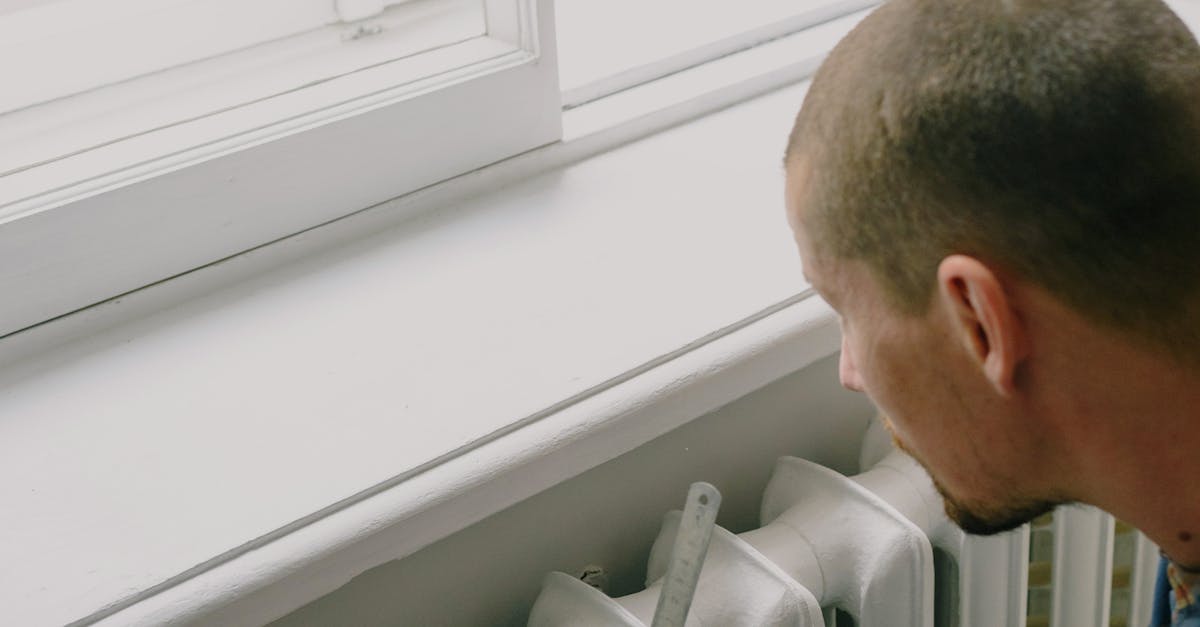
Hydronic heating systems use water or another liquid as a medium to transfer heat. This system typically consists of a boiler, pipes, and heat exchangers that distribute warmth through radiators or underfloor heating.
- How It Works: The boiler heats the water, which is then pumped through pipes installed under floors or in radiators. The heat radiates from the pipes, warming the room.
- Applications: Hydronic heating is common in homes with radiant floor heating systems, as well as in larger buildings where a more uniform distribution of heat is desired.
- Benefits: Provides consistent and comfortable warmth, energy-efficient, and can be combined with renewable energy sources like solar.
Portable Spot Cooler
A portable spot cooler is a small, mobile air conditioning unit designed to cool a specific area or room. These units are ideal for cooling temporary spaces, such as server rooms, event spaces, or areas without central cooling.
- How It Works: Portable spot coolers typically work by drawing in warm air from the room, cooling it, and then releasing the cooled air back into the space. Some models use water or ice for additional cooling.
- Applications: Ideal for short-term cooling needs, such as temporary offices, outdoor events, or emergency cooling for small spaces.
- Benefits: Easy to move, cost-effective for temporary cooling, and does not require permanent installation.
Portable Heat Pump
A portable heat pump provides both heating and cooling capabilities in a single, mobile unit. Like portable spot coolers, they can be easily moved to different areas to provide temperature control where it’s needed most.
- How It Works: A portable heat pump operates similarly to a traditional heat pump, transferring heat from the outdoor air to warm a room during the winter, or removing heat from the room to cool it during the summer. It uses a refrigerant to facilitate heat transfer.
- Applications: Suitable for areas where space is limited or temporary heating and cooling is required.
- Benefits: Dual functionality (heating and cooling), easy mobility, and flexible usage.
Conclusion
Understanding the different types of HVAC systems helps in selecting the best option for your specific needs, whether it’s a traditional ducted system for a large home or a ductless mini-split system for individual room control. Each HVAC system type has its own set of advantages, and the right choice depends on factors such as the size of the building, climate, energy efficiency needs, and budget.